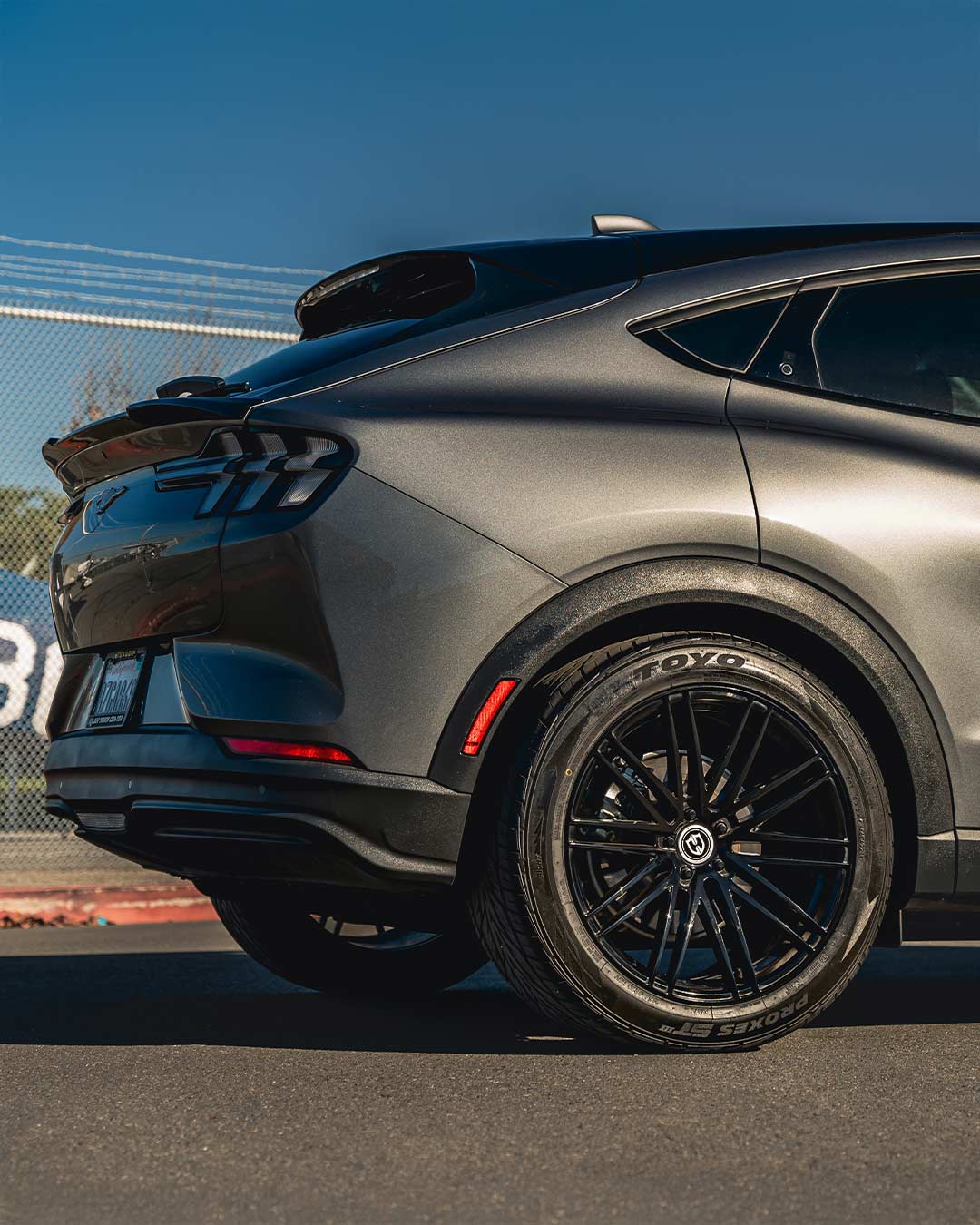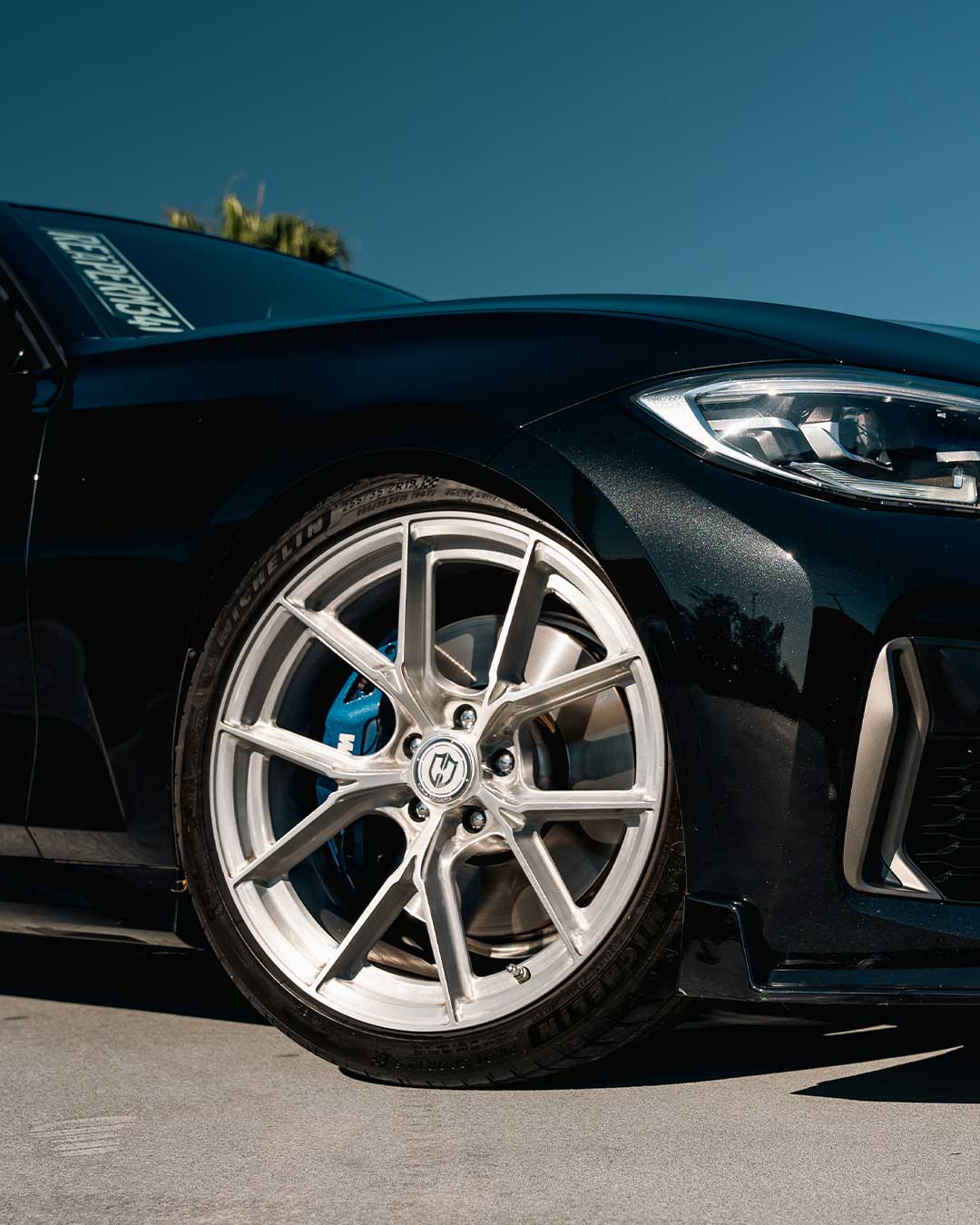

Offset Optimization: Dialed In Fitment
Good wheel fitment can make a build; bad wheel fitment can break it. What’s the one thing that determines good and bad wheel fitment? Offset. While it’s easy to obsess over diameter and width, offset is the most critical yet misunderstood aspect of wheel fitment; which is why it’s so important to read the rest of the wheel spec sheet before committing to a set.
At Curva Concepts, we’ve built our reputation on mastering the science behind offsets, ensuring every wheel delivers perfect fitment, whether you’re building a track weapon or show-stopping stance build.

What is Wheel Offset?
Wheel offset represents the distance from the hub mounting surface to the wheel’s centerline, measured in millimeters and expressed as either a positive (+15) or negative (-15) value, or using the German designation ET (Einpresstiefe). This seemingly simple measurement controls exactly how your wheels position themselves relative to your vehicle’s suspension and body.
Zero Offset
Zero Offset is when the hub mounting surface aligns perfectly with the wheel’s centerline, creating a balanced positioning that makes the wheel appear flush with the vehicle body. Most aftermarket wheels rarely use true zero offset, as modern vehicles require specific positioning for optimal performance.
Positive Offset
Positive Offset positions the mounting surface closer to the wheel face, effectively tucking the wheel deeper into the wheel well. Most modern vehicles, particularly front-wheel-drive cars and contemporary rear-drive performance vehicles, utilize positive offset ranging from +30mm to +60mm. This configuration optimizes suspension geometry and maintains proper scrub radius for enhanced steering precision.
Negative Offset
Negative Offset moves the mounting surface toward the wheel’s back, creating the classic “deep dish” appearance that pushes wheels outward from the vehicle. This configuration increases track width and creates an aggressive stance, though it requires careful consideration of clearance and handling implications.
Even millimeter-level changes create significant impact on fitment and performance. A 10mm offset change translates to 10mm of wheel position adjustment, affecting everything from fender clearance to suspension geometry. At Curva Concepts, we engineer every wheel with precise offset calculations tailored to specific vehicle platforms, ensuring optimal performance across all driving conditions.
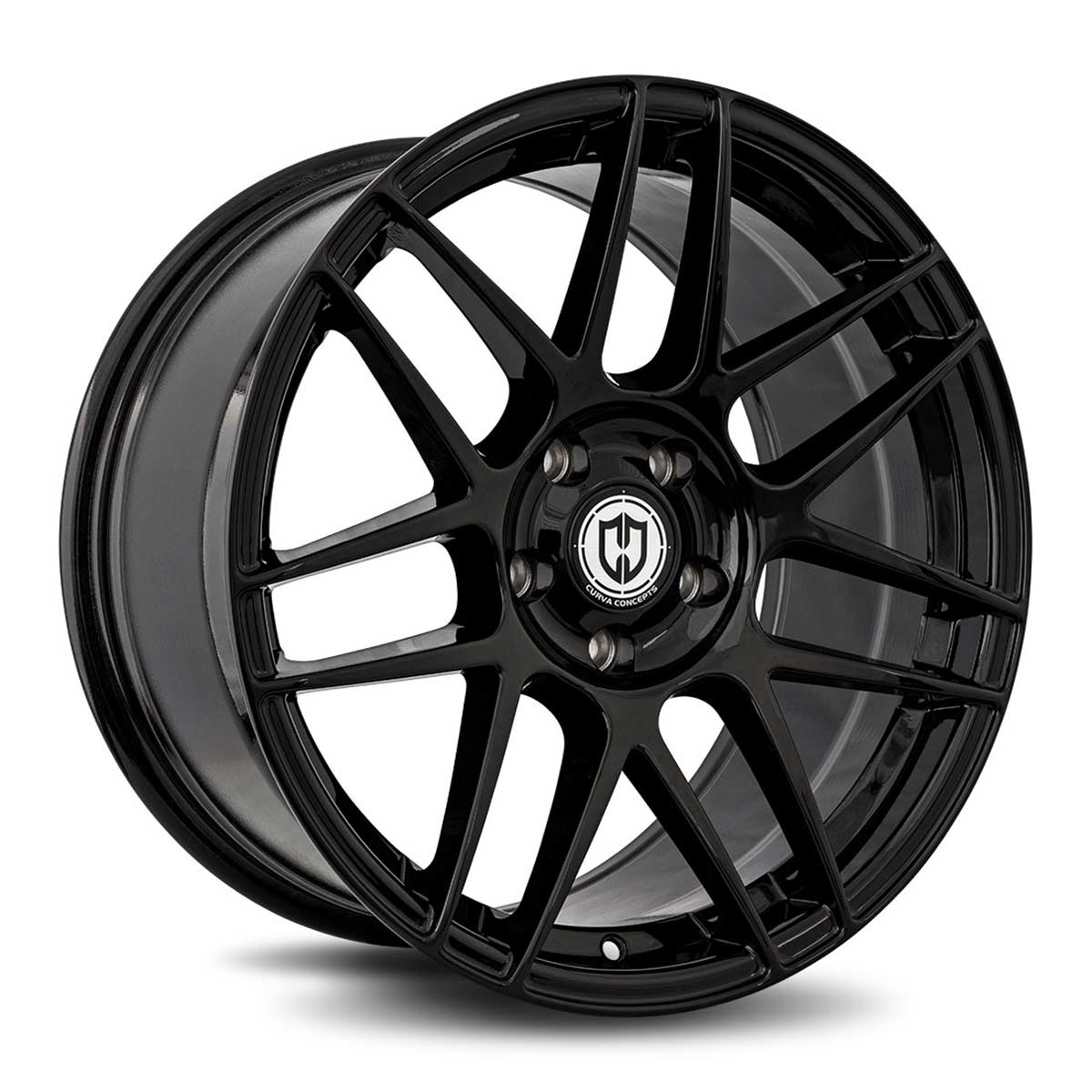
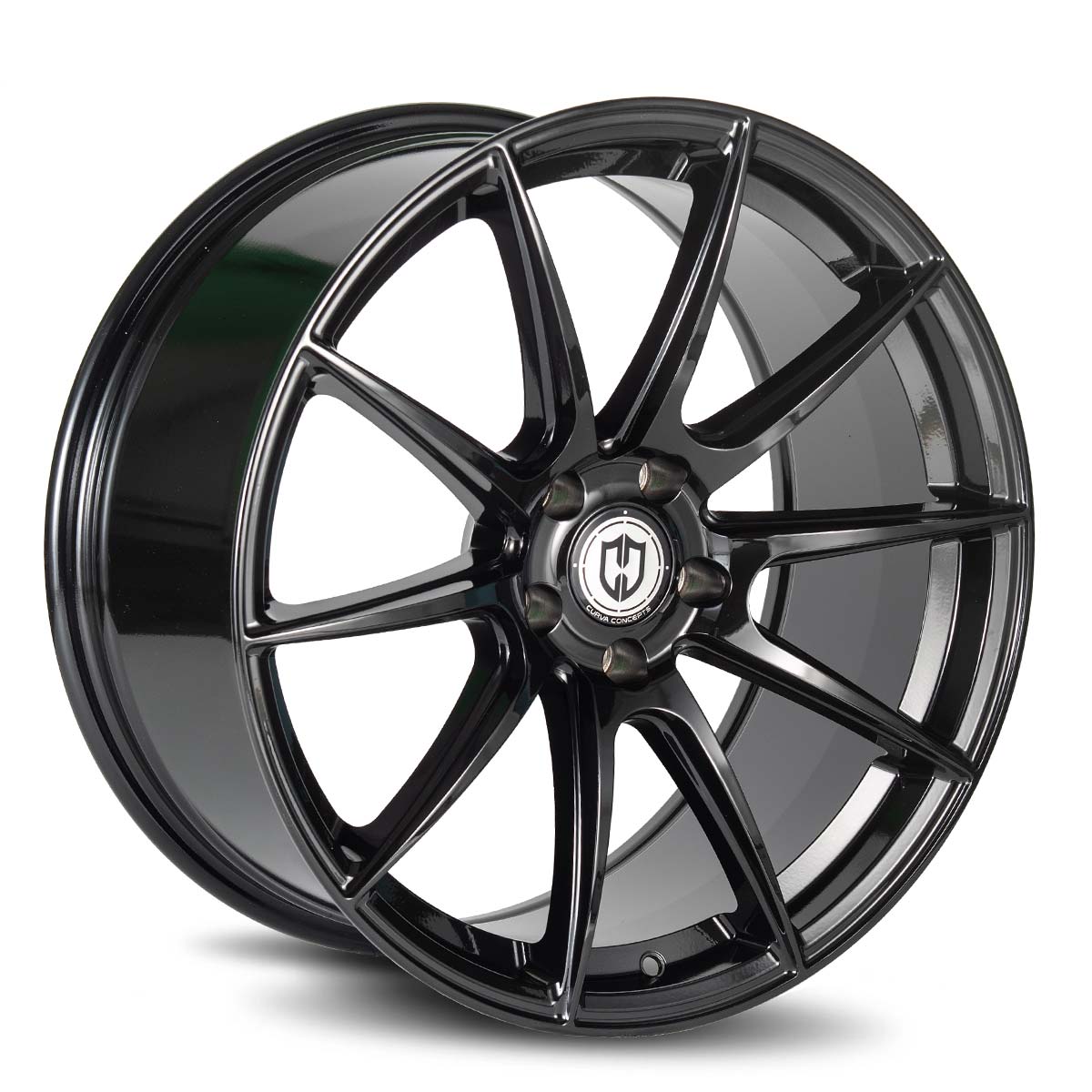
Offset Optimized Wheels
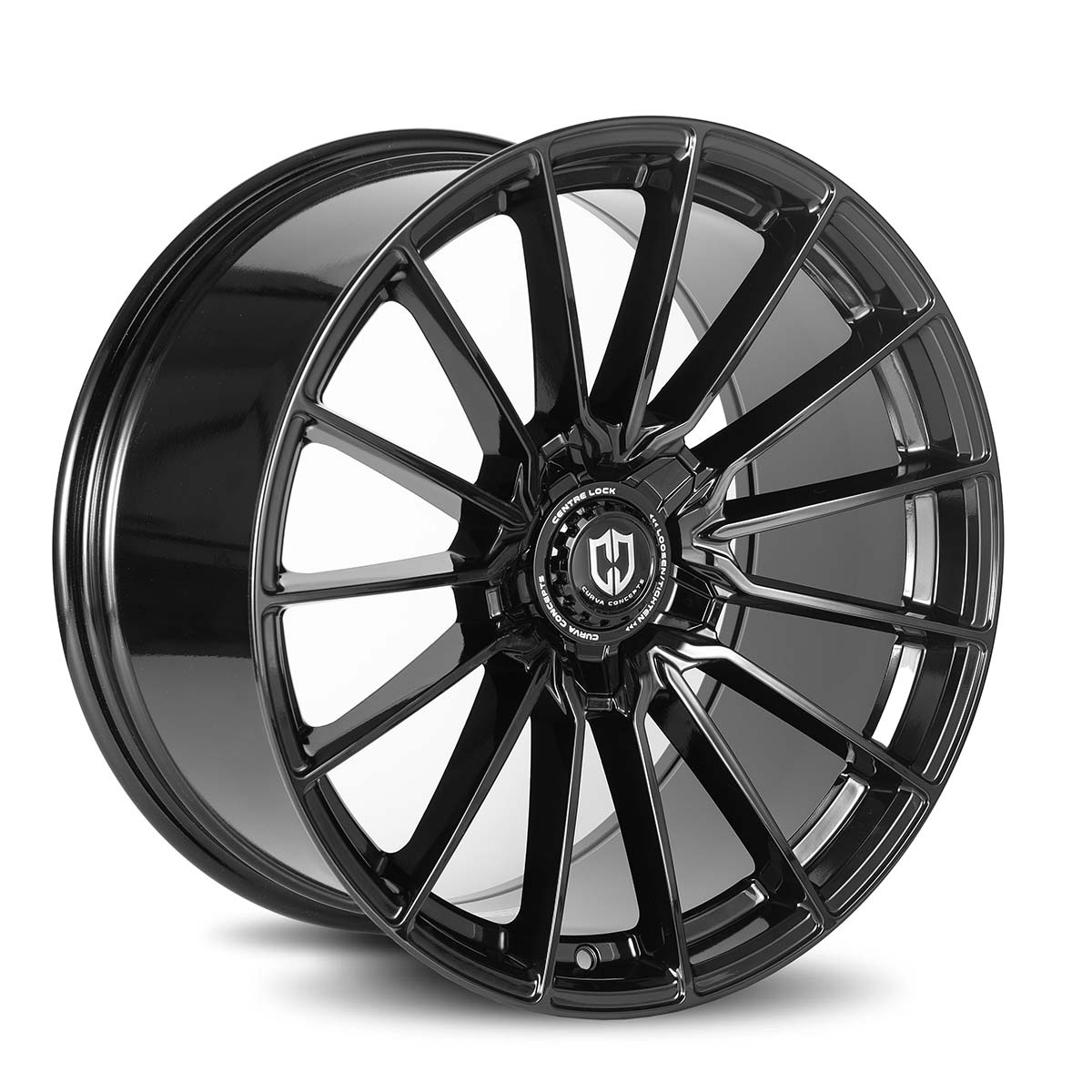
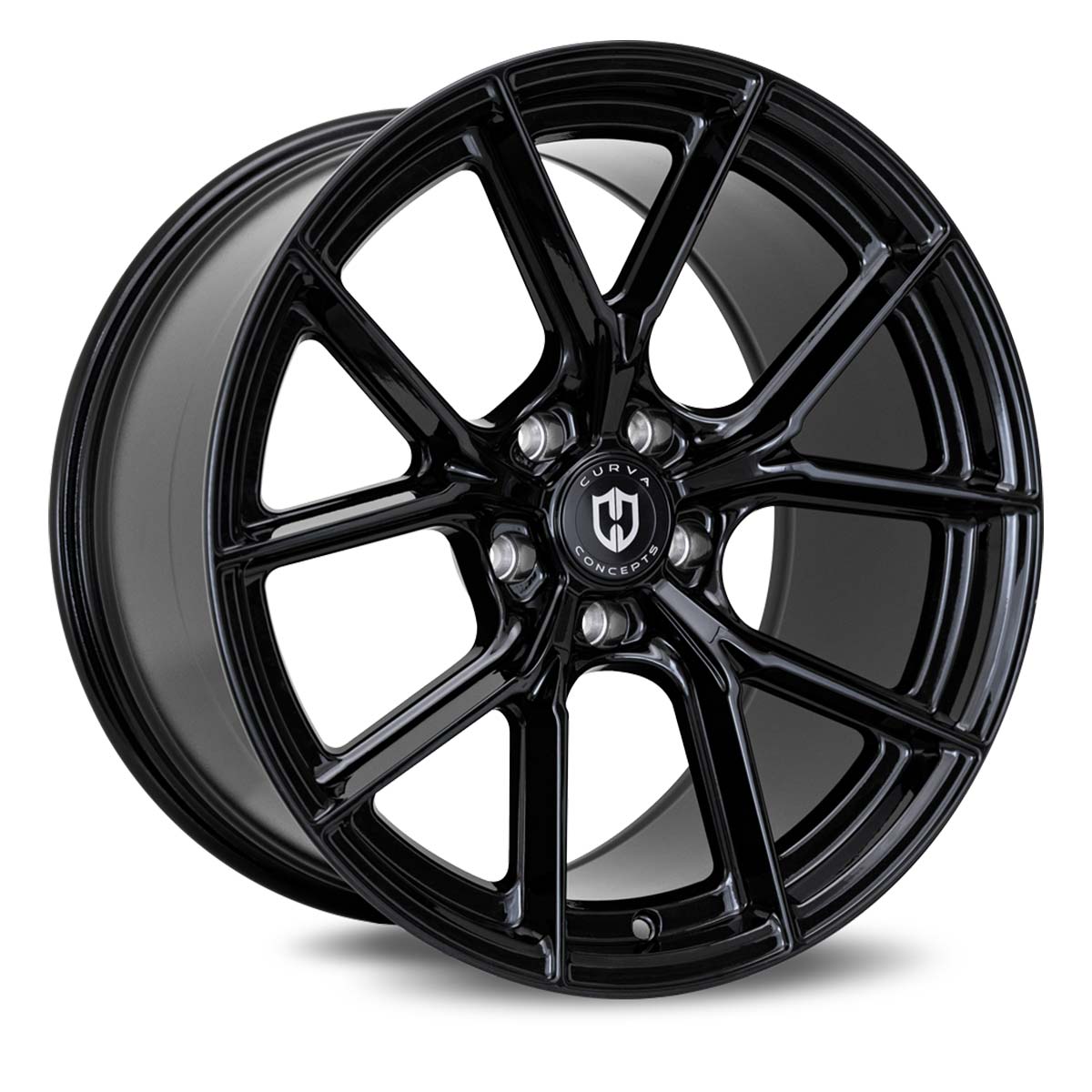
Why Wheel Offset Matters
Handling Performance
Offset directly influences track width, which affects lateral load transfer during cornering. Decreasing offset (moving wheels outward) creates a wider stance that reduces lateral load transfer, potentially improving stability and grip. However, this relationship involves complex suspension dynamics that extend beyond simple track width calculations.
Proper offset maintains optimal suspension geometry by preserving the engineered relationship between steering axis and wheel centerline. Modern vehicles utilize sophisticated suspension designs that depend on specific offset ranges to maintain negative scrub radius, which enhances steering precision and stability.
Clearance Considerations
Fender clearance becomes critical as offset changes wheel positioning relative to body panels. Excessive negative offset can cause tire contact with fender wells during suspension compression or steering lock, while extreme positive offset may create inner fender interference.
Suspension component clearance requires careful evaluation, particularly with wider wheels or modified suspension setups. Insufficient clearance can cause catastrophic component failure or premature wear, making proper offset selection essential for safety and reliability.
Brake caliper clearance demands minimum 2mm spacing between wheel spokes and brake components. Inadequate clearance can result in wheel-to-caliper contact, compromising braking performance and potentially causing brake system failure.
Aesthetics
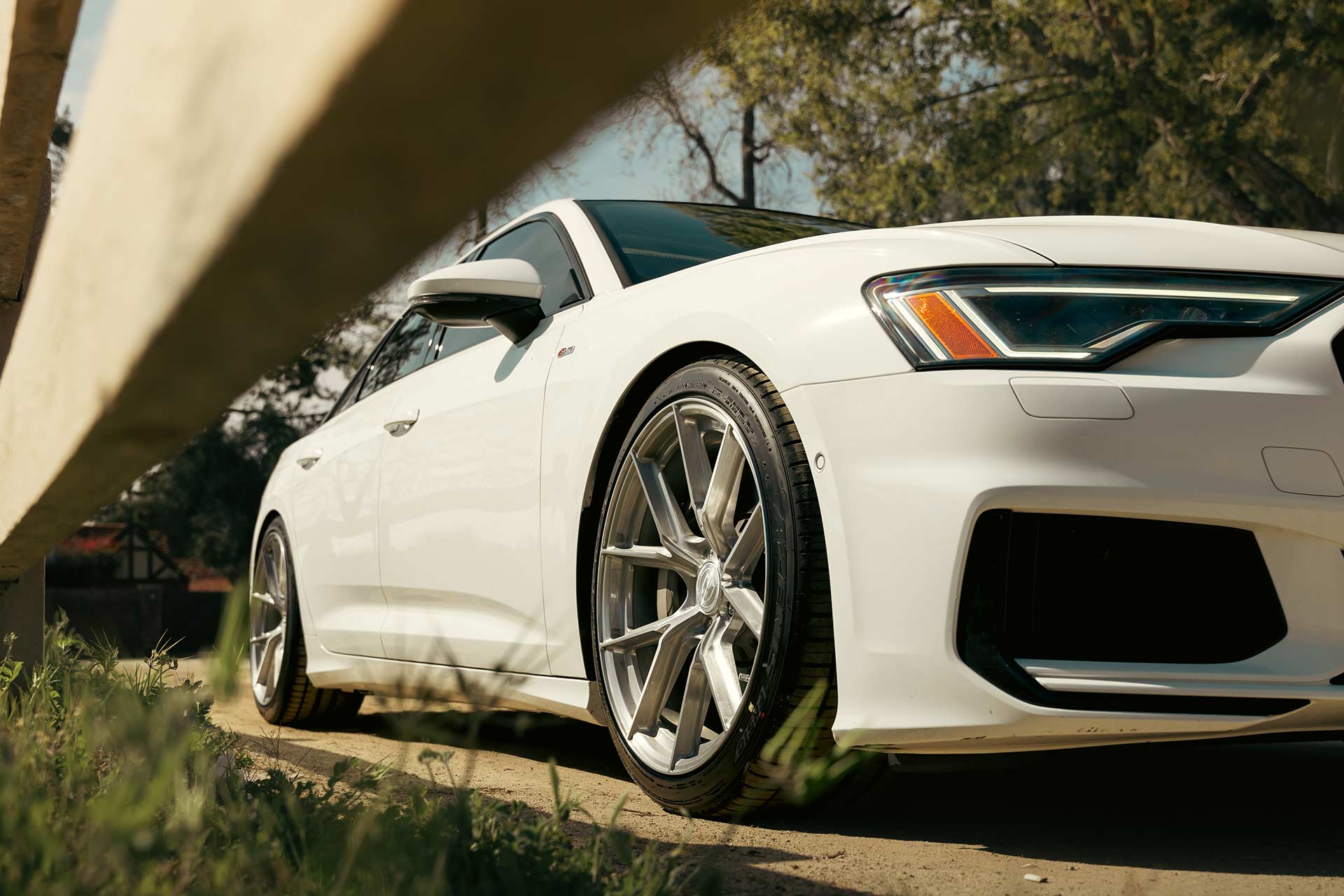
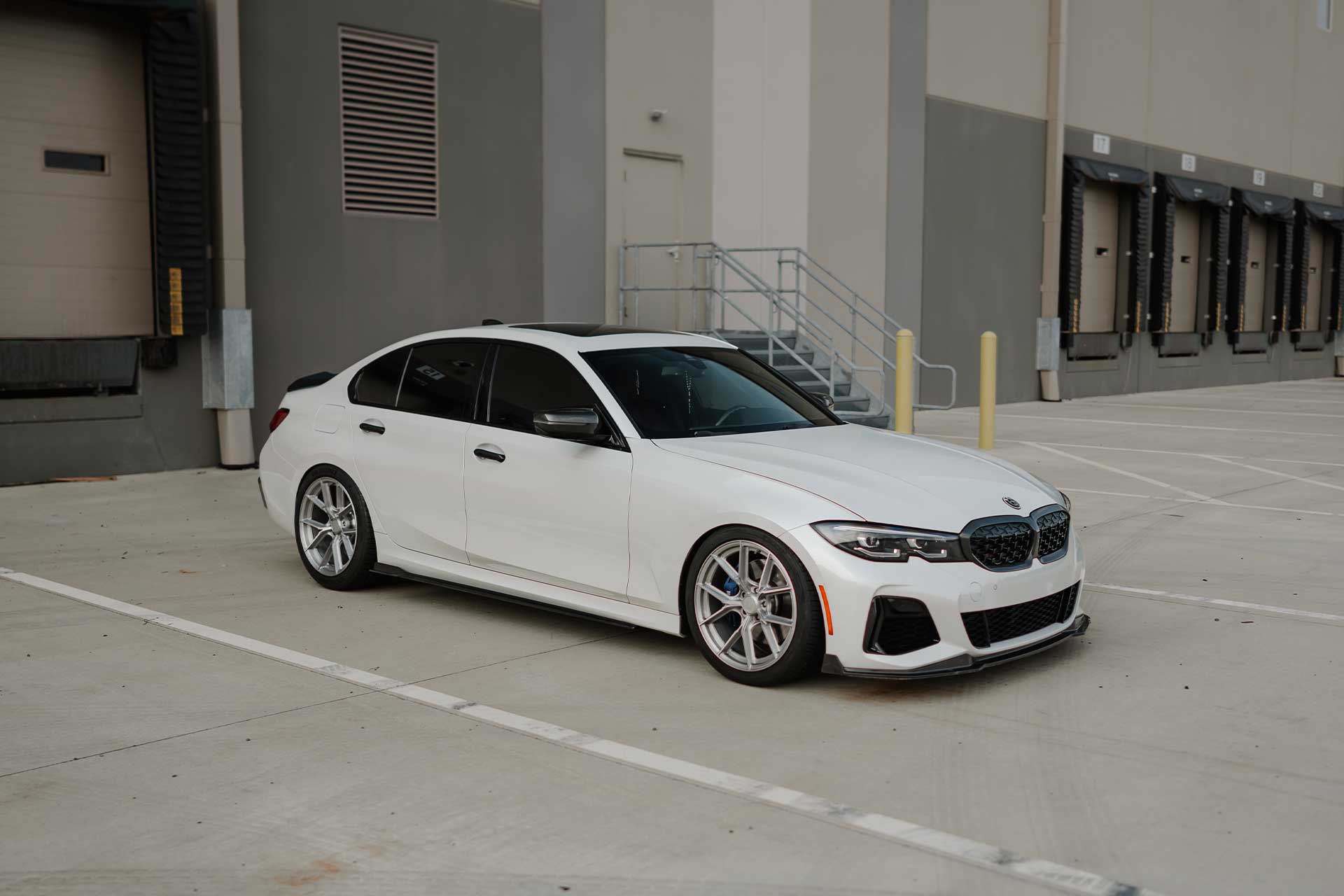
Offset controls the visual relationship between wheels and vehicle body, determining whether wheels appear tucked, flushed or aggressive. The perfect stance balances aesthetic impact with functional performance, requiring expertise in both engineering and design principles.
At Curva Concepts, our design philosophy integrates performance optimization with aesthetic excellence, ensuring every wheel achieves the ideal fitment for its intended application. We understand that proper offset selection enhances both visual impact and driving dynamics.
How Offset Changes Affect Fitment
Moving Inward (Increasing Positive Offset)
Increasing positive offset moves wheels deeper into wheel wells, improving clearance from fender edges while potentially creating interference with suspension components or brake calipers. This approach benefits builds requiring maximum fender clearance or those maintaining conservative appearances while upgrading wheel size.
Moving Outward (Decreasing Offset)
Decreasing offset creates wider track width and more aggressive stance. Moving from +35mm to +25mm offset effectively adds 10mm of track width per side, creating 20mm of total track increase. This change enhances stability but requires careful evaluation of fender clearance and suspension stress.
Real-World Impact Examples
Consider a vehicle transitioning from factory +40mm offset to aftermarket +25mm wheels. This 15mm change moves each wheel 15mm outward, creating 30mm of additional track width. While this enhances stability and visual impact, it also increases stress on wheel bearings and suspension components while potentially creating fender clearance issues.
Curva’s precision engineering ensures every millimeter serves a purpose, optimizing the balance between performance enhancement and system reliability. Not sure? Run your numbers in our wheel fitment calculator.
Wheel Offset vs Backspacing
Offset and backspacing get used like they mean different things. They measure the same hardware, just from different reference points and in different units.
Offset is the distance from the wheel’s mounting face to its true centerline, measured in millimeters. Backspacing is the distance from the mounting face to the inner lip of the wheel, measured in inches. Move one and the other moves with it, because they describe the same mounting surface from opposite directions.
The relationship is direct: more positive offset gives you more backspacing and tucks the wheel further under the fender. More negative offset cuts backspacing and pushes the wheel outward toward the fender edge. Once you know your wheel width and either number, you can always solve for the other.
The converter above handles the unit math. When you are ready to see how a new offset actually changes poke, fender clearance, and your speedometer reading against your current setup, run the full wheel fitment calculator and the handy wheel offset calculator for the complete picture.
How to Find Your Current Wheel Offset
Before you change anything, you need your starting number. There are three reliable ways to get it.
Check the wheel itself first. Most wheels have the offset stamped on the back of a spoke or the inner barrel, usually as “ET” followed by a number (ET35 means a positive 35mm offset). The bolt pattern and width are often stamped alongside it.
If nothing is stamped, pull the factory spec. Your owner’s manual, the door-jamb placard, or an OEM parts lookup will list the original equipment offset for your trim. That OE number is the baseline every aftermarket fitment decision works from, which is why proper wheel fitment research always starts here.
You can also measure it by hand. Lay the wheel face down, measure the full width across the barrel and the backspacing to the mounting face, then convert. The converter above does that last step for you.
How Much Offset Change Is Safe?
A small offset change is normal when you go aftermarket. The question is how far you can move before you run into the fender, the strut, or the brakes.
As a working rule, staying within about 5mm of your OE offset keeps clearances close to factory. Push further out (lower offset) and the wheel moves toward the fender, which is where rubbing and poke start. Push further in (higher offset) and the inner barrel moves toward the suspension, where spokes can catch the strut or caliper. Wider wheels complicate this, because width and offset together decide where both edges of the wheel actually sit.
This is also why diameter and width matter alongside offset. The right offset on an 18 inch wheel is not the same as the right offset on a 20 inch wheel on the same car, because the larger setup changes clearance and tire choice. Running a staggered setup adds another layer, since front and rear often take different offsets. We break that down in staggered vs square wheel setups.
When the numbers get tight, do not guess. Confirm the full picture with the wheel fitment calculator, then talk to our fitment team before you order.
Common Mistakes & Pitfalls
The Rubbing Problem
Inner fender interference occurs when excessive positive offset positions wheels too close to suspension components or inner body panels. This creates contact during suspension compression or steering input, causing tire damage and potential safety hazards.
Outer fender rubbing results from insufficient positive offset (or excessive negative offset) that positions tires beyond fender clearance limits. This problem intensifies with wider tires or lowered suspension, requiring fender modifications or offset adjustments.
Suspension and Brake Clearance
Component clearance failures can cause catastrophic damage to suspension systems, brake components, or wheels themselves. Insufficient brake caliper clearance creates heat buildup and potential brake failure, while suspension interference causes premature component wear and handling degradation.
Handling Compromises
Extreme offset changes alter scrub radius, affecting steering response and vehicle stability. Excessive positive scrub radius creates steering instability under braking, while negative scrub radius changes can increase steering effort and reduce precision.
The 5mm Rule
Industry best practice recommends staying within 5mm of factory offset for optimal performance and safety. This guideline maintains suspension geometry while allowing modest aesthetic and performance improvements. Exceeding this range requires comprehensive evaluation of clearance, handling, and component stress implications.
When Rules Don't Apply: Extreme Builds and Niche Fitment
Air suspension fundamentally changes offset considerations by enabling dramatic ride height adjustments. Traditional clearance rules become flexible when vehicles can raise for driving and lower for show, allowing more aggressive offset choices that would be impractical with static suspension. Curva’s expertise in air-ride compatible designs ensures our performance wheels perform optimally across the full range of suspension travel, maintaining clearance at maximum compression while achieving desired stance at show height. Similarly, stance culture builds including hellaflush, VIP, and stanced aesthetics prioritize visual impact over traditional performance metrics, often utilizing extreme negative camber and aggressive offset combinations that create distinctive appearances while accepting handling compromises.
Extreme negative camber affects effective offset by changing tire contact patch positioning, requiring specialized knowledge to achieve desired fitment without catastrophic clearance failures. When aesthetic goals override traditional fitment rules, comprehensive planning becomes essential as fender modifications, body work, and suspension alterations can enable offset choices that would otherwise be impossible. However, these modifications require understanding of structural implications and safety considerations that extend beyond simple clearance calculations.
Extreme builds require honest evaluation of trade-offs between visual impact and functional performance. While aggressive offset can create stunning appearances, it may compromise handling precision, component longevity, and daily drivability. Curva supports enthusiast builds by understanding these unique requirements and engineering solutions that maximize visual impact while maintaining wheel integrity, helping customers understand compromises and make informed decisions based on their priorities and usage patterns across all enthusiast communities.
Tools for Offset Planning
Understanding offset calculators provides valuable initial guidance, though these tools have limitations in complex fitment scenarios. Professional consultation becomes essential for builds involving suspension modifications, extreme sizing, or unique vehicle platforms.
Backspacing relationships complement offset measurements by providing additional clearance verification. While offset determines wheel positioning, backspacing confirms inner clearance requirements, particularly important for brake and suspension component clearance.
At Curva Concepts, we verify fitment beyond calculations through comprehensive in-house R&D and test fit sessions. Our validation process includes physical mockups, clearance verification, and real-world testing to ensure every wheel performs flawlessly in its intended application.
Conclusion: Your Offset Optimization Partner
Offset optimization represents the intersection of engineering precision and aesthetic vision, requiring expertise that extends far beyond basic calculations. Whether you’re building a track-focused performance machine or an extreme stance build, proper offset selection determines the success of your entire wheel package.
Curva Concepts combines technical expertise with real-world experience across all enthusiast communities, from conservative performance builds to extreme show applications. Our commitment to education and execution ensures every customer achieves optimal results, regardless of their build style or performance goals.
Ready to optimize your fitment? Consult with Curva Concepts for your next wheel project and experience the difference that true offset expertise makes. Before committing to a set wheels, confirm every detail to avoid the most common fitment mistakes.
Once your offset is dialed in, browse our flow forged wheels in the offsets and widths that fit your car, or send your specs to our fitment team and we will confirm the fit.
Frequently Asked Questions
Is higher or lower offset better?
Neither is universally better. Higher (more positive) offset tucks the wheel in for a flush, factory-style fit. Lower offset pushes it out for a wider, more aggressive stance. The right choice depends on your wheel width, fender clearance, and the look you want.
What happens if the offset is wrong?
Too low and the wheel pokes past the fender and can rub on turns or over bumps. Too high and the wheel sits too far in, where the spokes or barrel can hit the strut or brake caliper. Either way you get rubbing, clearance problems, or a wheel that will not clear at all.
Does wheel offset affect handling?
It can. Offset changes track width and scrub radius, which affects steering feel and stability. Modest changes are usually fine. Large swings from the factory spec can noticeably change how the car steers and tracks.
Can I run a different offset than stock?
Yes, within limits. Most builds move a few millimeters from OE without issue, and the right wheel and tire combination can handle a larger change. Confirm clearance with the fitment calculator before committing.
Wheel Fitment Guides