

Wheel Spacers Done Right: The Real Deal
The million dollar question comes up constantly in Facebook groups, forums and at car meets. Are wheel spacers safe for daily driving? The short answer is yes, when you use a quality set and install them correctly. The longer answer involves understanding what you’re actually to achieve and why some spacers cause problems while others don’t.
Think of wheel spacers like any other mod. A quality coilover setup provides improved handling. A cheap one leaves you bouncing down the highway wondering what the hell went wrong. The same logic applies to spacers. The concept itself isn’t dangerous, but execution determines whether you’re improving your build or creating problems.
We’ll break down the engineering, cover when spacers actually make sense, and explain why proper wheel selection is king.
What Wheel Spacers Actually Do
A wheel spacer sits between your hub and wheel, pushing the wheel outward from the vehicle. There’s two main types of spacers: bolt-on and slip-on. Bolt-on spacers come with built-in studs and their own nuts, while slip-on spacers have no built-in studs and utilize the existing studs and nuts.
This changes your track width, which affects how your car sits and handles. Moving wheels outward can improve stability, create a more aggressive stance, or provide clearance for larger brake components. The mechanical principle is straightforward. You’re increasing the distance from the hub center to the wheel mounting face.
Wheel adapters function similarly but serve a different purpose. They let you mount wheels with a different bolt pattern or hub bore than your vehicle. An adapter might let you run 5×120 wheels on a 5×114.3 hub, for example. The engineering challenges increase with adapters because you’re introducing more complexity into the load path. We almost always advise against using adapters.
What do wheel spacers do from a physics standpoint? They create a longer lever arm from the hub to the tire contact patch. This increases the bending moment on your wheel studs and puts additional stress on wheel bearings. Understanding this stress is key to knowing when spacers work and when they become a liability.
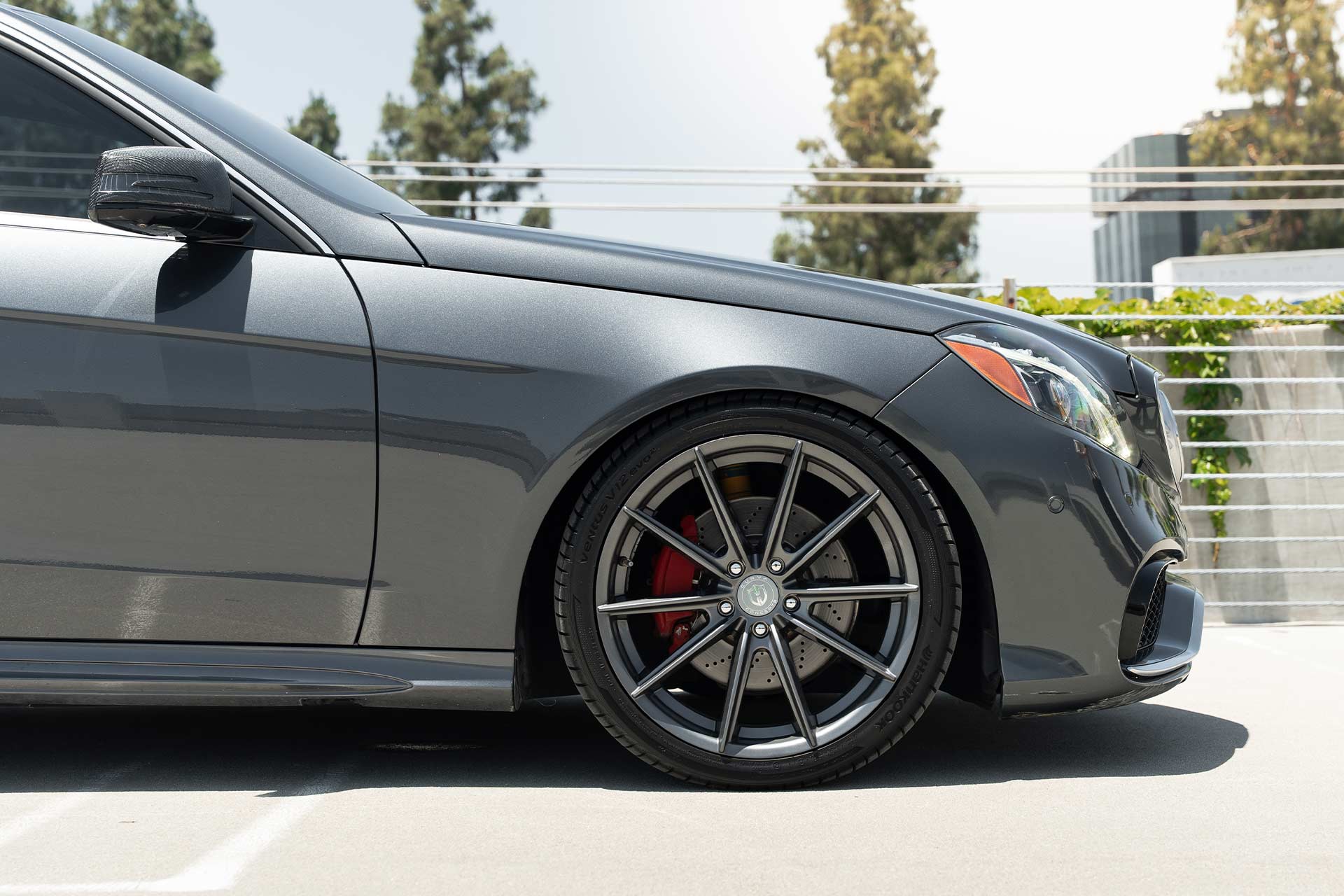
People use spacers for brake clearance after upgrades, to fill out fender wells, to correct track width for better handling, or to fix offset issues without buying new wheels. Each application comes with different engineering considerations.
The Safety Question: Quality and Application Matter
Material quality separates safe spacers from dangerous ones. Cheap spacers use low-grade aluminum or even steel that can crack under stress. Quality spacers come from billet aluminum, typically 6061-T6 or 7075-T6, machined to tight tolerances. The difference shows up under load when cheap spacers flex, crack, or fail completely.
Thickness matters because it determines how much additional stress you’re adding to the system. A 5mm spacer barely changes the load dynamics. A 50mm spacer significantly increases the bending moment on studs and bearing stress. Most engineers consider 20mm the practical upper limit for bolt-on spacers. Beyond that, you should look at hub-centric spacers with their own extended studs.
The hub centric wheel spacers vs non-hub centric debate determines how load transfers through your suspension. Hub-centric spacers include a center ring that mates with your hub, distributing weight through the hub face like your wheels normally would. Non-hub centric spacers rely entirely on wheel studs to carry the load, which creates stress concentrations and potential vibration.
Our guide on hub-centric wheels vs lug-centric wheels covers this in detail, but the principle applies directly to spacers. Load should transfer through the hub face, not just the studs. Hub-centric design prevents vibration and reduces the chance of stud failure.
Installation quality determines whether even good spacers work safely. You need proper torque specs, clean mounting surfaces, and correct thread engagement. Most spacer failures trace back to improper installation rather than the spacer itself. Under-torquing allows movement and fatigue. Over-torquing can strip threads or stress the aluminum beyond its limits.
Thicker spacers require extended studs to maintain proper thread engagement. You need at least 1.5 times the stud diameter engaged in the lug nut. A 12mm stud needs 18mm of thread engagement minimum. Shorter engagement increases the risk of stripping threads under load. On the flip side, some cars, like Audi’s, utilize wheel bolts. So running a spacer on an application like this is less complex, as all you’d need is extended wheel bolts, which are typically included when buying the spacers.
Wheel bearing stress increases with spacer thickness because you’re moving the tire contact patch further from the bearing. This creates additional moment load on the bearing assembly. Quality bearings handle this fine within reason, but stacking thick spacers on a car with worn bearings accelerates failure.
When Spacers Are the Right Tool
Brake upgrades often leave you with clearance issues. Big brake kits push calipers closer to the wheel barrel, and spacers provide the easiest solution. A 5mm or 10mm spacer clears the caliper without changing your overall setup. This represents legitimate problem-solving rather than covering up poor choices.
Some factory wheel offsets are extremely conservative. Manufacturers design for the widest possible tire and wheel combinations, which means many OEM wheels sit further inboard than necessary. A modest spacer brings the wheel out to where it should have been from the factory, improving both appearance and handling.
Testing different track widths before committing to new wheels makes sense. Spacers let you experiment with stance and handling characteristics without buying multiple wheel sets. You might find that 10mm makes your car feel more planted, or that 20mm creates the look you want. Then you can order wheels with the correct offset built in.
What are wheel spacers used for in racing applications? Adjusting track width to fine-tune handling balance. Many race teams use spacers during testing to dial in setup before specifying their final wheel offset. This represents proper tool usage within its intended scope.
Vintage cars sometimes need spacers because wheel options in their bolt pattern and offset are limited. A classic BMW running modern wheels might need small spacers to achieve proper fitment when the ideal offset doesn’t exist in the market.
When Spacers Are a Band-Aid
Buying wheels without checking offset, then using spacers to make them work, represents the most common misuse. You’re adding complexity, cost, and potential failure points to fix a problem that shouldn’t exist. If you need 25mm spacers to clear your fenders, you bought the wrong wheels.
Stacking multiple spacers instead of using one properly sized spacer creates additional failure points and tolerance stack-up. Each interface introduces potential for movement or improper load distribution. If you need 20mm of spacing, use a 20mm spacer, not four 5mm spacers. I mean…hopefully that’s common sense.
Wheel adapters to change bolt patterns tempt people who find wheels they like that don’t match their car. This doubles the failure points and significantly increases the distance from hub to wheel. Adapters can be 30mm to 50mm thick, which multiplies bearing stress and creates a long lever arm for the studs to deal with. Don’t do it.
The right solution for fitment issues starts with proper wheel selection. Our offset optimization guide walks through calculating the correct offset for your specific vehicle and tire setup. Getting offset right from the start eliminates the need for spacers entirely.
Proper offset selection considers your fender width, suspension geometry, tire size, and desired stance. When you spec wheels with the correct offset, you get better load distribution, no additional failure points, and cleaner engineering overall. The wheel mounts directly to the hub like the engineers intended.
Spacers work as a temporary solution while you source better wheels, but treating them as a permanent fix means accepting compromises you don’t need to make. Every spacer adds weight, creates another potential failure point, and introduces additional stress into the system.
Weighing the Pros and Cons
The pros and cons of wheel spacers depend entirely on your situation and quality standards. On the positive side, spacers offer flexibility when you need minor adjustments. They cost less than buying new wheels if you’re only off by 10mm or need to clear brake calipers. Installation and removal is straightforward compared to buying a whole new wheel set.
Are spacers bad for your car? Not inherently, but they represent a compromise between ideal fitment and whatever constraint you’re working around. Understanding this helps you make informed decisions about when they’re worth using.
Wheel Spacer Pros & Cons
Click any item to understand how it affects your specific build and driving style.
✓ Advantages
-
+ Fitment flexibility without new wheels ▼
Spacers let you fine-tune track width and stance without committing to a complete wheel replacement. Useful when your current wheels are close to ideal but need minor adjustment for appearance or handling. -
+ Brake caliper clearance solution ▼
After installing larger brake kits, spacers provide the cleanest way to gain caliper clearance without changing your entire wheel setup. Often 5mm to 10mm is all you need to avoid caliper contact. -
+ Cost effective for minor corrections ▼
Quality spacers cost significantly less than replacing a full wheel set. When you only need 10mm to 15mm adjustment, spacers provide better value than buying new wheels with different offset. -
+ Test different setups before committing ▼
Experiment with various track widths to find what works best for your car and driving style. Test 10mm, try 15mm, then order wheels with the exact offset that felt right during testing. -
+ Reversible modification ▼
Unlike permanent modifications, spacers can be removed to return to stock fitment. Useful for lease returns, resale situations, or when you change wheel setups seasonally.
✕ Tradeoffs
-
− Additional failure points in the system ▼
Every component between hub and wheel represents a potential failure point. Spacers add another interface that requires proper installation, regular inspection, and maintenance to remain safe. -
− Increased bearing and suspension stress ▼
Moving the wheel outward increases the moment arm and puts additional stress on wheel bearings. Thicker spacers create more stress, potentially reducing bearing life over time depending on driving conditions. -
− More complex installation and maintenance ▼
Two torque specs to maintain instead of one. You need to check spacer-to-hub torque and wheel-to-spacer torque regularly. Proper installation requires clean surfaces, correct torque sequence, and periodic re-torquing. -
− Handling characteristics change ▼
Wider track width alters your car's handling balance. While this can improve stability, it may also increase steering effort, change turn-in response, or affect how weight transfers during cornering. -
− Never as clean as proper wheel offset ▼
Spacers represent an engineering compromise compared to wheels designed with the correct offset from the start. Proper wheels provide optimal load distribution and eliminate the additional components spacers require.
Quality Markers for Safe Spacers
Material specification tells you most of what you need to know about spacer quality. Look for billet aluminum construction, specifically 6061-T6 or 7075-T6 alloy. These materials provide the strength and fatigue resistance necessary for daily driving loads. Cast aluminum or mystery metal spacers will fail under stress.
Hub-centric design should be non-negotiable. The spacer must include a hub ring that mates perfectly with your vehicle’s hub diameter. This ring carries the vehicle weight rather than relying solely on clamping force from the studs. Without hub-centric design, you’re asking for vibration and uneven load distribution.
Stud quality and length matter as much as the spacer itself. Quality spacers come with properly sized studs that maintain correct thread engagement. The studs should be hardened steel, grade 10.9 or better for metric applications. Cheap studs strip threads or shear under torque.
Brand reputation provides a rough quality filter. Companies like H&R, Eibach, ECS Tuning and APR have proven engineering experience and testing data. Unknown brands selling through marketplaces often use inferior materials and skip proper testing.
Testing and certification indicate professional engineering. Quality manufacturers test their spacers to destruction, publish load ratings, and provide proper installation specifications. If the manufacturer can’t tell you the material grade, torque specs, and testing standards, walk away.
Warning signs of dangerous spacers include rough machining, poor finish quality, missing hub rings, inadequate stud length, and prices that seem too good to be true. A proper 20mm hub-centric spacer costs real money because it requires quality materials and precision machining. $50 for a set of four spacers means someone cut corners.
Installation hardware quality separates professional products from cheap copies. Quality spacers include proper lug bolts or nuts sized for the application. The hardware should match or exceed OEM specifications.
The Better Alternative
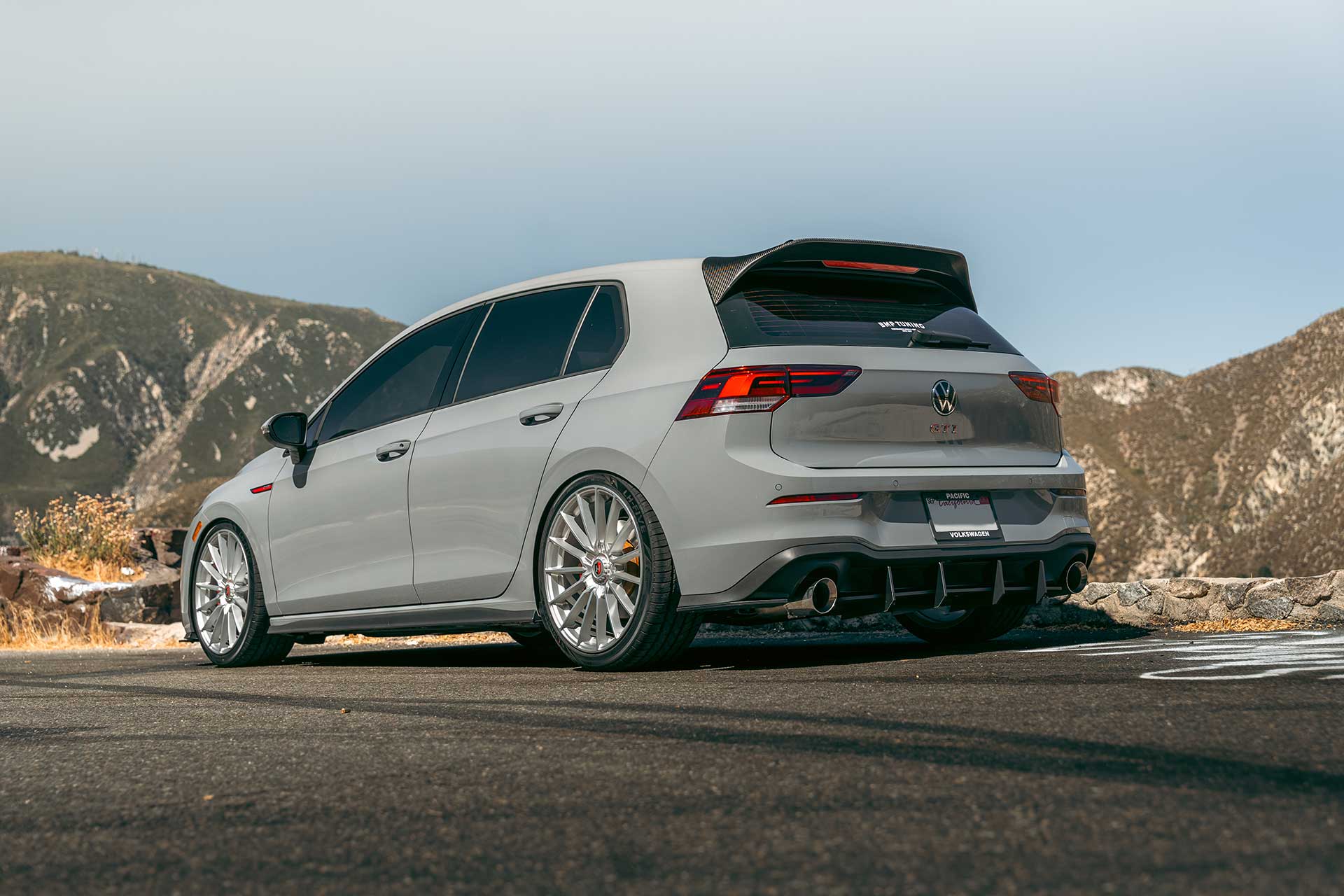
Proper wheel offset selection solves most fitment challenges without introducing spacer compromises. When you specify wheels with the correct offset from the start, you get optimal load distribution, minimal bearing stress, and no additional failure points. The wheel mounts directly to the hub using factory studs.
Our offset optimization guide walks through the math and measurements needed to dial in perfect fitment. You measure your fender width, account for suspension travel, factor in desired tire size, and calculate the offset that positions everything correctly. This takes time upfront but eliminates problems later.
Quality wheels provide better engineering overall. Proper wheel design accounts for load paths, spoke structure, and stress distribution in ways that spacers can’t match. A well-designed wheel in the correct offset will always outperform a decent wheel with spacers added.
Spacers make sense as an interim solution. You scored a deal on wheels that are 10mm too aggressive, and spacers let you run them while you source the correct set. This temporary compromise is fine. Treating spacers as a permanent solution means accepting engineering compromises that don’t need to exist in your build.
The cost difference between spacers and proper wheels narrows when you factor in quality hub-centric spacers, extended studs, and installation. By the time you’ve purchased quality spacers and hardware, you’ve spent a significant chunk of what better wheels would cost. The wheels give you a cleaner solution with better performance.
Making the Right Call
Quality spacers can be safe when you use them correctly and understand their limitations. Hub-centric design, proper materials, correct installation, and modest thickness combine to create a viable solution for specific fitment challenges. The engineering works as long as you respect the physics involved.
Proper wheel selection beats spacers in almost every scenario. Getting offset right from the start eliminates compromises, reduces complexity, and gives you better load distribution throughout the suspension system. Wheels engineered for your specific application will always outperform wheels modified with spacers to fit.
Understanding your fitment needs before buying wheels saves time, money, and potential problems. Measure twice, order once applies directly to wheel purchases. The math isn’t complicated, and getting it right means your build works better from day one.
Your decisions shape your build. Informed choices about fitment, quality, and engineering create cars that perform well and last. Whether you use spacers as a temporary solution or invest in proper wheels from the start, understanding the engineering helps you build smarter.